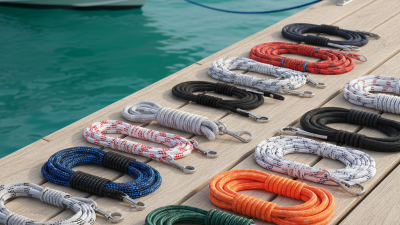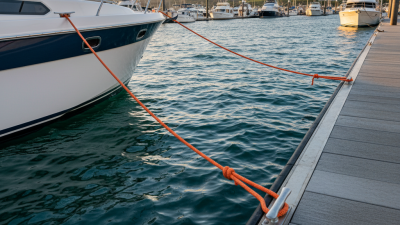
Global buyers are looking more closely at Dock Bungee Lines as marinas become busier and weather conditions less predictable. A small line can protect a large investment. It absorbs sudden movement between a boat and dock, reducing sharp loading on cleats, rails, and fenders.
The National Marine Manufacturers Association reports that recreational boating contributes more than $230 billion annually to the U.S. economy. Its industry statistics also show over 100 million Americans go boating each year. These figures do not measure Dock Bungee Lines directly. That limitation matters. Still, they indicate a large and active market for dependable docking equipment. ICOMIA’s global recreational boating research also highlights the sector’s international scale, supporting demand from marinas, dealers, boatyards, and private owners.
For 2026, buyers should examine construction rather than accept attractive packaging. Look for marine-grade shock cord, UV-resistant outer webbing, corrosion-resistant hooks, and clearly stated working loads. A 20-foot sailboat in a sheltered marina needs different protection from a heavy motorboat facing tidal surge. Check the attachment points, inspect worn stitching, and replace lines showing flattened elastic or rusted hardware. Practical testing is essential.
Marketing claims can be vague.
This guide compares leading Dock Bungee Lines for global purchasing decisions. It considers elasticity, length options, saltwater exposure, installation effort, safety margins, and supplier transparency. Product performance may vary with climate, dock design, and maintenance. No single line fits every berth. That is easy to forget. Reliable buying requires technical specifications, credible testing information, and honest recognition of those limits.
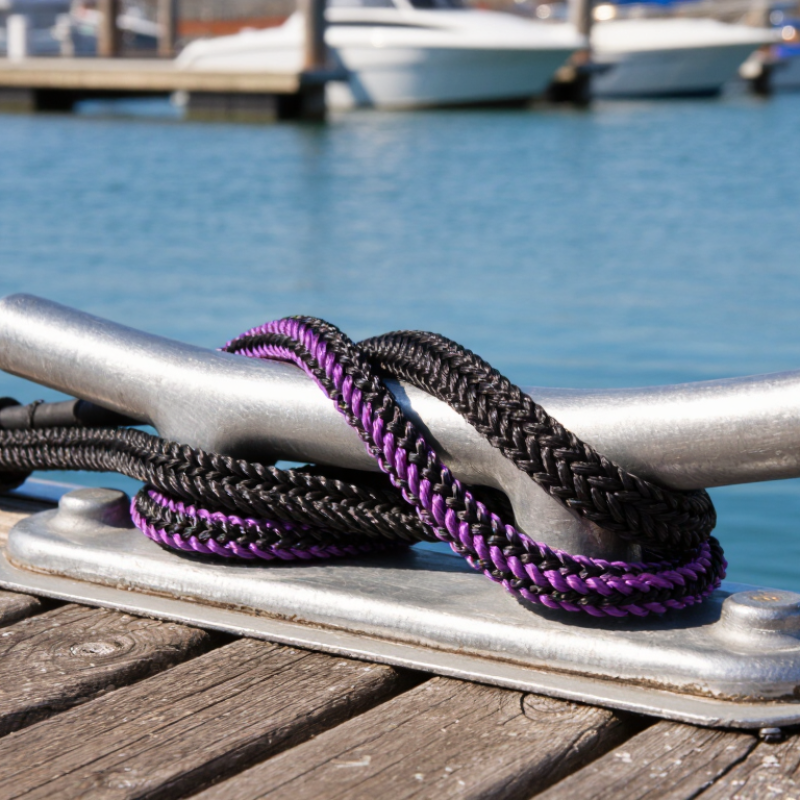
2026 Top Dock Bungee Lines for Global Buyers?
Dock bungee lines are elastic mooring cords designed to reduce sudden pulling between a boat and dock. Their inner rubber core stretches under wave action, then returns gradually. This softens shock loads on cleats, rails, and dock hardware. A conventional rope holds length but transfers sharper force. Bungee lines behave differently.
Most models combine a rubber core, a braided marine-grade cover, and stainless-steel hooks or eyes. Their working performance depends on diameter, stretch range, breaking strength, and chafe resistance. A 2023 National Marine Manufacturers Association statistical abstract reported about 11.6 million registered recreational boats in the United States. That scale shows why small mooring components deserve careful selection. However, registration numbers do not prove one line suits every berth. Water movement, boat weight, tide, and attachment angles still matter.
Tips: Match the line to your boat’s displacement and expected load. Leave enough slack for normal tide changes, but avoid excessive movement. Inspect the cover for fuzzing, cuts, salt buildup, or exposed elastic. Replace damaged lines early. The weak point may be the cleat, not the cord. ABYC mooring guidance emphasizes checking the complete load path, including attachment hardware and chafe areas. I would also avoid judging quality by thickness alone. A thick cover can hide aging inside. Test the line gently by hand, then check its fittings under real dock conditions. No line is maintenance-free.
Dock bungee lines are elastic mooring lines designed to absorb shock between a boat and a dock cleat, piling, or other fixed point. Their stretch reduces sudden loading caused by wakes, waves, wind, and changing water levels.
| Line Type / Use Case | Typical Length | Common Diameter | Typical Construction | Recommended Boat Size | Main Advantage | Important Buying Check |
|---|---|---|---|---|---|---|
| Compact docking line | 4–5 ft (1.2–1.5 m) |
3/8–1/2 in (10–13 mm) |
Elastic shock core with woven, marine-grade outer cover and integrated eyes | Small boats, personal watercraft, and light recreational craft | Simple installation and reduced rubbing at short docking distances | Verify the line’s rated working load, eye size, and compatibility with cleats |
| Standard adjustable line | 5–7 ft (1.5–2.1 m) |
1/2–5/8 in (13–16 mm) |
Elastic core, abrasion-resistant jacket, and sliding or adjustable attachment loop | Runabouts, fishing boats, pontoons, and cabin boats | Fits different cleat-to-dock distances while maintaining tension | Check adjustment range and ensure the line cannot become excessively slack |
| Heavy-duty mooring line | 5–7 ft (1.5–2.1 m) |
5/8–3/4 in (16–19 mm) |
Higher-capacity elastic core with reinforced cover and heavy-duty eyes | Larger recreational boats and vessels exposed to stronger wakes | Greater resistance to shock loading and repeated movement | Use the manufacturer’s working-load rating; do not select by diameter alone |
| Low-freeboard / personal-watercraft line | 3–5 ft (0.9–1.5 m) |
3/8–1/2 in (10–13 mm) |
Compact shock-absorbing core with small attachment loops | Personal watercraft, kayaks, and lightweight boats | Compact size and quick connection in confined docking areas | Confirm that hooks, loops, or clips are suitable for the craft’s tie-down points |
| Long-range surge-control line | 7–10 ft (2.1–3.0 m) |
1/2–5/8 in (13–16 mm) |
Longer elastic section with a protective braided cover and reinforced ends | Boats with wider dock gaps or greater vertical movement | Provides additional travel before the line reaches full tension | Measure the actual tie-up distance and allow safe clearance from propellers |
| Cold-climate marine line | 4–7 ft (1.2–2.1 m) |
1/2–5/8 in (13–16 mm) |
Weather-resistant elastic core and UV-, saltwater-, and abrasion-resistant cover | Boats used in seasonal, cold, or highly variable marine environments | Improved durability under temperature changes and outdoor exposure | Request temperature range, UV-resistance information, and storage guidance |
| Stage | What Happens | Buyer-Relevant Benefit |
|---|---|---|
| 1. Normal tension | The elastic core remains slightly stretched between the boat and the dock attachment point. | Helps keep the vessel positioned near the dock. |
| 2. Movement begins | Wake, wave, wind, or water-level movement increases line tension. | Reduces the abrupt force transmitted to cleats and attachment points. |
| 3. Elastic extension | The bungee core stretches and absorbs part of the movement energy. | Provides smoother loading than a non-elastic line of the same length. |
| 4. Controlled return | The core contracts as the force decreases, helping the boat return toward its original position. | Limits repeated surging and reduces line slack. |
Selection note: Choose a dock bungee line according to vessel weight, expected wave and wake conditions, tie-up distance, attachment hardware, working-load rating, cover durability, and local operating temperature. Dock bungee lines are shock-absorbing accessories and should not replace properly sized primary mooring lines where local marina or marine-safety requirements call for them.
Choosing the right dock bungee line in 2026 requires more than checking its breaking strength. Global buyers should compare the elastic core, outer braid, length, and attachment hardware. A tightly woven cover can reduce abrasion against cleats and rough dock edges. Marine-grade materials should resist salt spray, sunlight, and repeated wet-dry cycles. Still, no line is maintenance-free.
Look for clear load ratings supported by laboratory test data, not vague marketing language. The rating should match your boat size, docking conditions, and expected movement. A useful line stretches smoothly without sudden recoil. Stainless steel hooks or protected loops can improve handling, but weak stitching may remain a hidden failure point. I have seen attractive lines lose flexibility after one season. Appearance is not proof of durability.
Tips: Measure the usual gap between your boat and dock before buying. Choose a working length that allows movement without excessive stretching. Inspect the cover, stitching, and hooks before every busy season. Rinse away salt and grit with fresh water. Never combine several lines to compensate for an uncertain load rating. Keep replacement records, because memory is unreliable. If test information is missing, treat that gap as a purchasing risk. Check whether the seller provides material details, care instructions, and traceable quality documentation.
Dock bungee lines now come in several useful designs for different mooring conditions. Standard shock cords suit small boats, kayaks, and calm inland docks. Their elastic core reduces sudden pulling when waves move the vessel. Looped bungee lines simplify attachment around cleats and dock posts. They also reduce the need for extra knots.
Heavy-duty dock bungees use thicker elastic cores and stronger braided covers. They work better for larger boats, tidal movement, and busy marina areas. Adjustable versions include sliding loops or integrated hooks. These designs help buyers fit one line across different docking points. However, metal hooks may scratch painted surfaces if protection is poor. UV-resistant covers are valuable in tropical and high-altitude regions. Saltwater users should also check corrosion-resistant fittings and rinse lines after use.
Tips: Match line length to the normal gap, not the maximum reach. Check the working load, stretch range, stitching, and end fittings before ordering. Ask suppliers for material details, sample photos, and test records. A practical inspection should include repeated stretching, wet storage, and exposure to sunlight. I have found that packaging can matter more than expected. Compressed lines may arrive with permanent bends. That issue is easy to overlook. Buyers should compare samples from different climates and review replacement availability before placing large orders.
Choosing a dock bungee line starts with the marina, not the product label. Measure the boat’s length, cleat height, tidal movement, and average wave action. A calm lake needs less stretch than an exposed coastal berth. Ask for the line’s working load, breaking strength, diameter, and tested elongation. These figures help buyers compare products across countries.
Look for marine-grade elastic material with a protective outer sleeve. The sleeve should resist sunlight, salt spray, and repeated rubbing against cleats. Stainless steel hardware can reduce corrosion, but inspect every connection for sharp edges. A line that feels soft and flexible in a warehouse may stiffen in freezing weather. Test the bungee at different temperatures when possible. Small details matter.
My early mistake was choosing a line by diameter alone. It looked strong, yet its connectors loosened during frequent tidal movement. Now I check the stitching, end loops, spring-back, and abrasion marks before installation. Leave enough movement for waves, but avoid excessive slack that could catch on hardware. Replace damaged lines promptly. Do not rely on appearance; hidden elastic fatigue can develop inside the cover. Ask suppliers for test reports, care instructions, and clear load limits. Requirements vary between marinas, and local dock managers may offer practical advice that product sheets miss.
For global buyers, a top dock bungee line starts with verified materials, not bright packaging. Marine-grade shock cord should resist ultraviolet exposure, salt spray, and repeated stretching. Check the stated working load, line diameter, end fittings, and temperature range before purchase. A line that feels strong may still fail after months of chafe. Measure cleat distance and expected tidal movement before selecting the line. Leave room for error.
Installation needs a controlled connection point. Secure the line to rated cleats, rings, or piling hardware. Never use weak rails or corroded bolts. Keep the cord clear of propellers, sharp edges, ladders, and walking paths. Add chafe protection where it touches concrete or metal. Pre-tension it lightly; excessive tension can overload fittings during waves. Follow local marina requirements and the supplier’s technical instructions. Record the installation date and location.
Maintenance is practical, not optional. Inspect before each use for flattened sections, broken cover fibers, rust, loose stitching, or reduced recoil. Rinse salt and grit with fresh water, then dry the line away from direct sunlight. Do not paint, knot, or chemically treat elastic cord without approval. Replace lines showing core exposure or permanent elongation. Even clean lines age. Buyers should request test evidence, traceable specifications, and clear replacement guidance. Some failures begin invisibly, making visual checks imperfect but still essential.