What is an Anchor Winch and How Does it Work?
An Anchor Winch is a vital component in marine operations. It is designed to manage the anchor line, ensuring boats and ships are securely moored. By understanding its role, boaters can enhance safety and efficiency in their ventures.
This device employs a system of gears, drums, and motors to control the anchor chain's speed and depth. Using an Anchor Winch reduces the manual effort required to drop and retrieve the anchor, which can be strenuous. It also allows for more precise control, especially in challenging weather conditions.
However, while Anchor Winches are generally reliable, improper maintenance can lead to malfunctions. Users should regularly inspect their equipment to avoid unexpected issues. Knowing how an Anchor Winch functions is essential for both seasoned sailors and novices alike, promoting an awareness of its importance in marine safety.
What is an Anchor Winch?
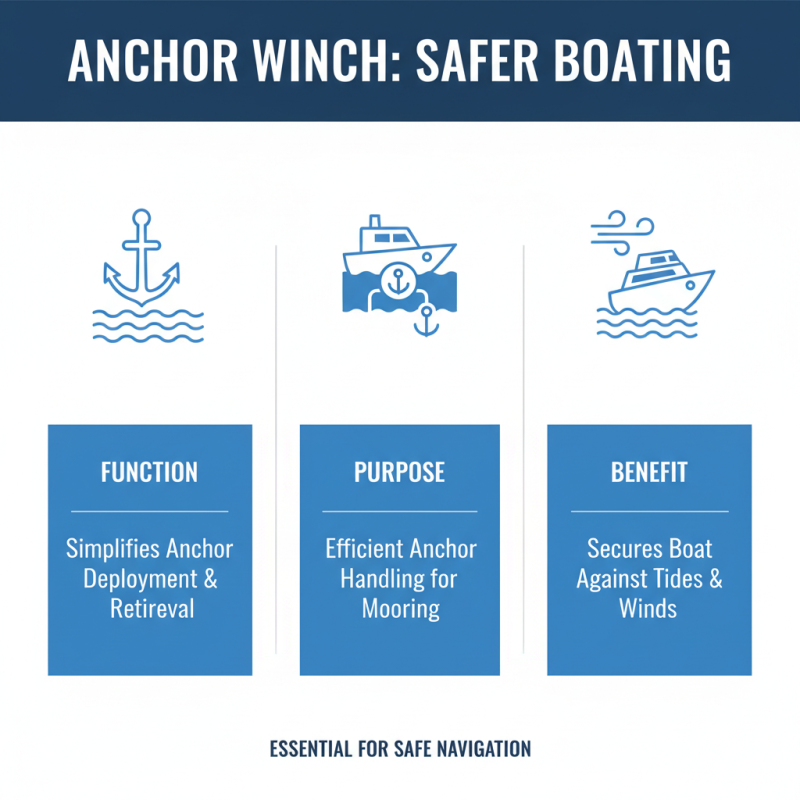
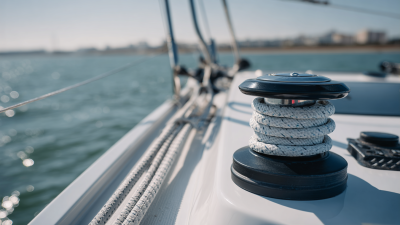
An anchor winch is a vital equipment used on boats and ships. Its primary function is to handle anchors efficiently. This device simplifies raising and lowering the anchor, making it crucial for safe mooring. When the anchor is deployed, the winch allows for smooth release of the anchor chain. This ensures that the boat can hold its position effectively against tides and winds.
The mechanism of an anchor winch typically involves gears and a powerful motor. These elements work together to manage heavy loads with precision. Operators must be familiar with the controls to ensure safe operation. However, some may overlook maintenance, leading to potential failures. Regular checks on the winch are essential to avoid unexpected breakdowns during critical moments.
Selecting the right winch for your vessel is important but can be tricky. Factors like the boat's size and typical conditions should guide the choice. Many might rush this decision without fully assessing needs. This oversight may result in inefficiencies or even dangerous situations at sea. Understanding the workings and selecting an appropriate anchor winch can significantly enhance safety and performance on the water.
Components of an Anchor Winch and Their Functions
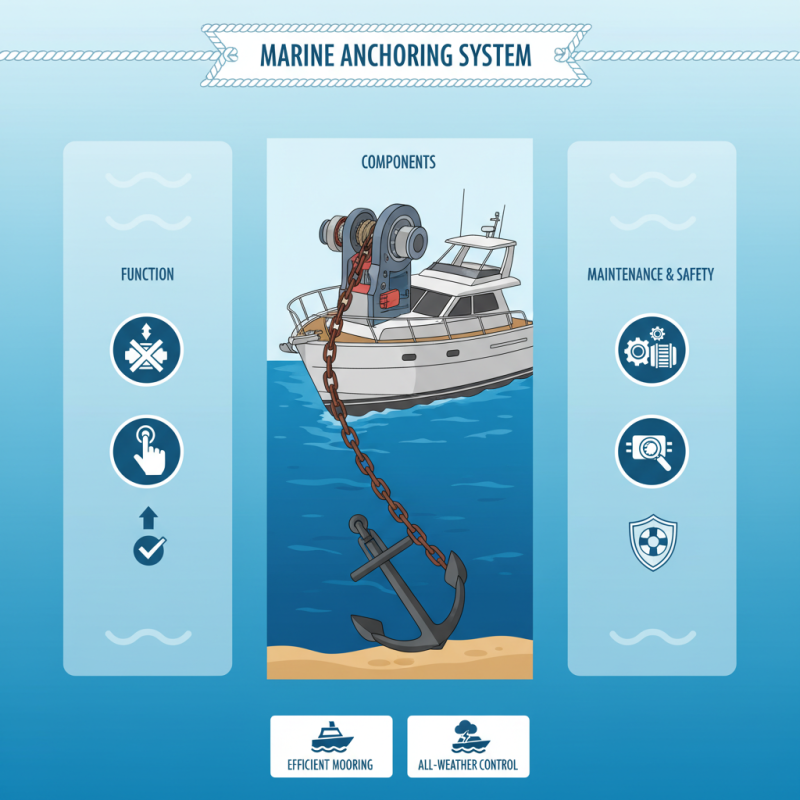
An anchor winch is essential for safe anchoring in maritime operations. Understanding its components helps in appreciating its functionality. The main parts include the drum, motor, gear system, and controls.
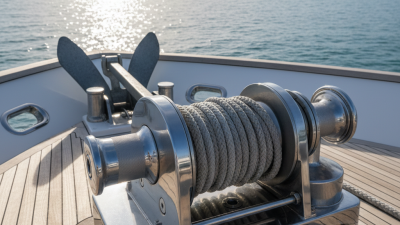
The drum primarily houses the anchor chain or rope. The size and material of the drum determine its strength and durability. A standard winch can handle loads ranging from 1,000 to 10,000 pounds. Each component must withstand harsh marine environments, ensuring longevity.
The motor provides the power to operate the winch. Typically, electric or hydraulic motors are used. They vary in efficiency and maintenance requirements. Gear systems then translate motor power into the necessary torque. Controls include switches and levers, placed for user convenience.
Nevertheless, regular inspections are crucial. A malfunction can lead to dangerous situations at sea. Data shows that nearly 25% of marine accidents involve equipment failure. Hence, reliable maintenance is key to ensuring the safety and functionality of an anchor winch.
How Anchor Winches Operate: The Mechanism Explained
Anchor winches play a crucial role in marine operations. They are designed to help vessels deploy and retrieve anchors with ease. Understanding how these winches operate can enhance safety and efficiency at sea.
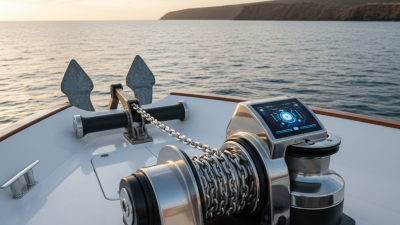
Anchor winches consist of a drum, motor, and gearing system. The drum holds the anchor chain, allowing for smooth unwinding and winding. When activated, the motor spins the drum in a specific direction. This action pulls the anchor up or lets it down. The gearing system controls the speed and power of the motor. It ensures the winch can handle heavy loads without straining. Many operators fail to realize the importance of maintaining these components. Regular checks can prevent malfunctions during critical moments.
Most winches use hydraulic or electric systems. Hydraulic winches are powerful and reliable. They work well in demanding conditions. Electric winches are often easier to install and maintain. However, they may not provide the same torque in extreme conditions. Operators need to choose the right type based on their specific needs. Understanding the nuances of each system can significantly impact performance. Testing different models can uncover potential weaknesses. Continuous learning and adaptation are essential in optimizing anchor winch operations.
What is an Anchor Winch and How Does it Work?
| Feature |
Description |
Benefits |
| Manual Anchor Winch |
A hand-powered device that helps to raise and lower the anchor. |
Cost-effective and simple operation; suitable for smaller boats. |
| Electric Anchor Winch |
A powered device that uses an electric motor to control anchor deployment. |
Reduces physical strain and allows for quicker anchor retrieval. |
| Windlass |
A specific type of anchor winch, often used on larger vessels. |
Provides better control and can handle heavier anchors effectively. |
| Gear Ratio |
Refers to the ratio of input rotations to output rotations. |
Higher ratios allow for easier winching of heavy anchors. |
| Materials |
Typically made of stainless steel, aluminum, or heavy-duty plastics. |
Durable and resistant to corrosion, enhancing longevity. |
| Safety Features |
Includes automatic shut-off mechanisms and load indicators. |
Increases safety while anchoring, preventing accidents. |
Types of Anchor Winches and Their Applications
Anchor winches are essential for various marine applications.
They provide the mechanism for deploying and retrieving anchors efficiently.
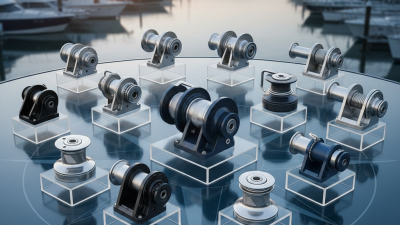
There are multiple types of anchor winches designed for different uses.
The most common types include manual winches, electric winches, and hydraulic winches.
Each type serves unique operational needs depending on vessel size and anchoring requirements.
Manual winches are often favored for smaller boats.
They are cost-effective but require physical effort to operate.
In contrast, electric and hydraulic winches are prevalent among larger vessels.
These winches can handle heavier loads and reduce crew workload significantly.
According to the International Marine Industry Report, the demand for electric anchor winches has increased by 35% in the last five years due to their efficiency and ease of use.
With advancements in technology, anchor winches are becoming smarter.
Some models come equipped with auto-tensioning systems.
These systems help to maintain optimal anchor conditions.
However, reliance on technology can be risky.
There are instances where automated systems have failed due to technical glitches.
This highlights the importance of regular maintenance.
Vessel operators should not become overly dependent on technology without checking manually.
Benefits of Using an Anchor Winch on Vessels
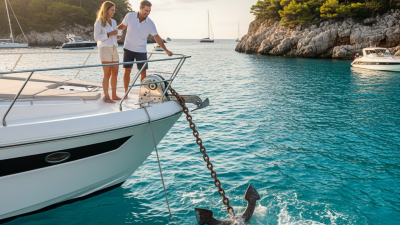
Using an anchor winch on vessels offers numerous advantages for sailing and boating enthusiasts. One of the primary benefits is enhanced safety. With an anchor winch, you can deploy and retrieve your anchor with ease. This reduces the risk of injury, especially in harsh weather conditions. It eliminates the need to manually handle heavy anchor chains.
Another significant benefit is efficiency. An anchor winch allows for quicker anchoring and mooring. This is crucial in emergency situations where time is of the essence. The automation of the anchoring process means crews can focus on other important tasks. You can also anchor at various depths without worry.
Tips: Ensure regular maintenance on your anchor winch. Check the motor and cables to prevent failures. Remember, a well-maintained winch leads to smoother operations.
Additionally, think about weight distribution on your vessel. A well-placed anchor winch helps maintain balance. Overloading one side can lead to stability issues. Small adjustments can make a big difference. Always consider the specific conditions you may encounter at sea. Each journey may require different preparations.
Benefits of Using an Anchor Winch on Vessels