Why Choose Electric Monorail Hoist for Your Industry Needs?
The choice of an Electric Monorail Hoist can greatly influence the efficiency of your operations. Industries are always seeking ways to enhance productivity while ensuring safety. An Electric Monorail Hoist offers a solution that combines advanced technology with practicality. It is designed to handle heavy loads effortlessly, minimizing manual labor.
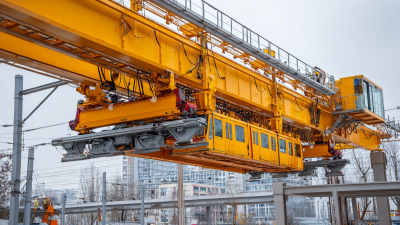
With its unique structure, the Electric Monorail Hoist optimizes space. It travels along a single rail, allowing for smooth and quick movement. This feature is particularly beneficial in tight industrial settings where maneuverability is crucial. However, it’s important to recognize that installation and maintenance require professional expertise.
Incorporating an Electric Monorail Hoist into your workflow can lead to significant cost savings over time. Reliability is key in the choice of machinery, and the Electric Monorail Hoist delivers. Nonetheless, it's vital to regularly evaluate its performance and ensure that it meets safety standards. Balancing innovations with cautious reflection can help maximize the benefits of this technology in your industry.
Overview of Electric Monorail Hoists and Their Functionality
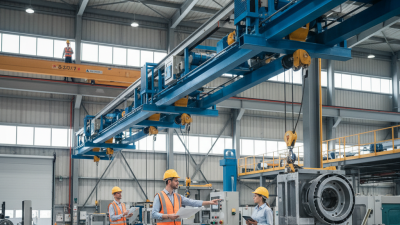
Electric monorail hoists have gained popularity in various industries due to their efficiency and functionality. These hoists operate on a single track, allowing for smooth and precise movement of materials. They are ideal for handling heavy loads, particularly in manufacturing and warehouse settings. The design minimizes operational space while maximizing load capacity. With their robust construction, electric monorail hoists offer reliability and safety in lifting operations.
For optimal performance, it's essential to assess your facility's layout before installation. Ensure that the monorail system aligns with workflow to enhance efficiency. Monitoring load limits is crucial as overloading can lead to equipment failure. Regular maintenance checks can identify wear and reduce downtime.
One challenge in using electric monorail hoists is the initial cost versus long-term benefits. It's important to conduct a cost-benefit analysis. Consider factors like electricity use and maintenance expenses. Understanding these elements can guide your investment decision. Proper training for operators is also vital. Well-trained staff ensure safe and effective use of the equipment, maximizing operational potential.
Key Benefits of Using Electric Monorail Hoists in Various Industries
Electric monorail hoists offer significant advantages for various industries. Their design promotes efficient space use, making them ideal for warehouses and factories. These hoists are capable of handling heavy loads while maintaining smooth operation, which boosts productivity. Fast installation and minimal maintenance requirements further enhance their appeal to businesses seeking reliability.
In demanding environments, electric monorail hoists can improve safety and precision. Their advanced control systems allow for easy maneuverability, reducing risks of accidents. Operators can focus on their tasks without the stress of managing cumbersome equipment. This clarity in operation can lead to more thoughtful workflow strategies, encouraging a mindful approach to lifting operations.
Despite these benefits, integration comes with challenges. Proper training is essential for operators to fully leverage the technology. Misunderstanding the hoist's features can potentially lead to inefficiencies. Additionally, companies must ensure that their facilities can accommodate the specific overhead structures needed for installation. Careful planning and training can help address these concerns, ultimately maximizing the benefits of electric monorail hoists in operations.
Comparison of Electric Monorail Hoists with Traditional Lifting Systems
Electric monorail hoists have become a prominent choice in the industrial sector. They offer several advantages compared to traditional lifting systems. For example, electric monorail hoists are often more efficient. They can lift heavy loads with less energy consumption. This efficiency can significantly reduce operational costs. In contrast, traditional hoists may require manual effort and more complex setups, impacting productivity.
When evaluating electric monorail hoists, consider safety features. Many models come equipped with safety brakes and overload sensors. These features help prevent accidents, ensuring a safer work environment. Traditional systems may lack these advanced safety measures, which can lead to risks.
Tips for choosing the right system include assessing your specific lifting needs. Evaluate the weight and type of loads you'll lift. Additionally, consider the available space for installation. It's essential to choose a system that fits your operational workflow. Regular maintenance is crucial for all lifting systems. Neglecting this aspect can lead to inefficiencies and unexpected downtime. Balancing cost, efficiency, and safety will guide you toward a better lifting solution for your industry.
Safety Features and Compliance Standards for Electric Monorail Hoists
Electric monorail hoists are becoming essential in various industries. Their safety features and compliance standards are particularly noteworthy. Industry reports indicate that nearly 30% of workplace accidents relate to material handling. Electric monorail hoists help mitigate such risks. Equipped with overload protection and emergency stop buttons, they prioritize operator safety.
Compliance with international safety standards is critical. Electric monorail hoists must adhere to OSHA and ANSI regulations. These guidelines ensure that equipment meets specific safety measures. Regular inspections are also recommended to maintain reliability. Companies that ignore these can face penalties and safety risks. Data shows that equipment failure can cost businesses up to $250,000 annually.
Proper training for operators is important but often overlooked. Training ensures that all users understand safety protocols and features. A 2022 report revealed that proper training reduces accident rates by 40%. Organizations investing in training and compliance not only safeguard their workers but also protect their bottom line.
Maintenance and Longevity Considerations for Electric Monorail Hoists
Choosing an electric monorail hoist for your industry needs entails understanding its maintenance requirements and longevity. These hoists are designed for heavy lifting and can operate efficiently if well cared for. Regular inspections are crucial. Check for signs of wear, rust, or damage. These issues can lead to unexpected failures.
The motor and electrical components are vital for performance. Ensure that connections are secure and clean. Over time, dust and moisture can degrade these elements. Cleaning these parts regularly helps prolong the lifespan of the hoist. Pay attention to the manufacturer's guidelines for maintenance intervals, as neglect can lead to costly repairs.
Consider the load limits of your hoist. Exceeding these limits can result in accidents or equipment failure. Training staff on proper usage is essential. It is easy to overlook safety practices when work becomes routine. Keeping an eye on both performance and safety helps maintain a productive environment. The goal is efficiency paired with reliability. Regular maintenance leads to fewer breakdowns, improving overall productivity in your operations.
Electric Monorail Hoist Maintenance and Longevity Considerations