Why Choose a Boat Crane for Your Marine Operations?
In the dynamic marine industry, efficiency is key. A Boat Crane plays a pivotal role in ensuring smooth operations. According to the Marine Industry Association, crane-related accidents can lead to significant operational delays, costing companies thousands of dollars each day. This highlights the importance of reliable lifting equipment.
Boat Cranes not only enhance safety but also boost productivity. Studies show that properly utilized Boat Cranes can improve loading efficiency by up to 40%. This increase is crucial for businesses operating in tight schedules. Investing in quality cranes ensures durability and minimizes maintenance costs.
However, the selection process isn’t always straightforward. Not every Boat Crane is suitable for all operations, and understanding the specific needs is critical. Companies may need to evaluate weight capacities, reach, and environmental conditions. Reflecting on these factors can prevent costly mistakes and improve operational efficiency.
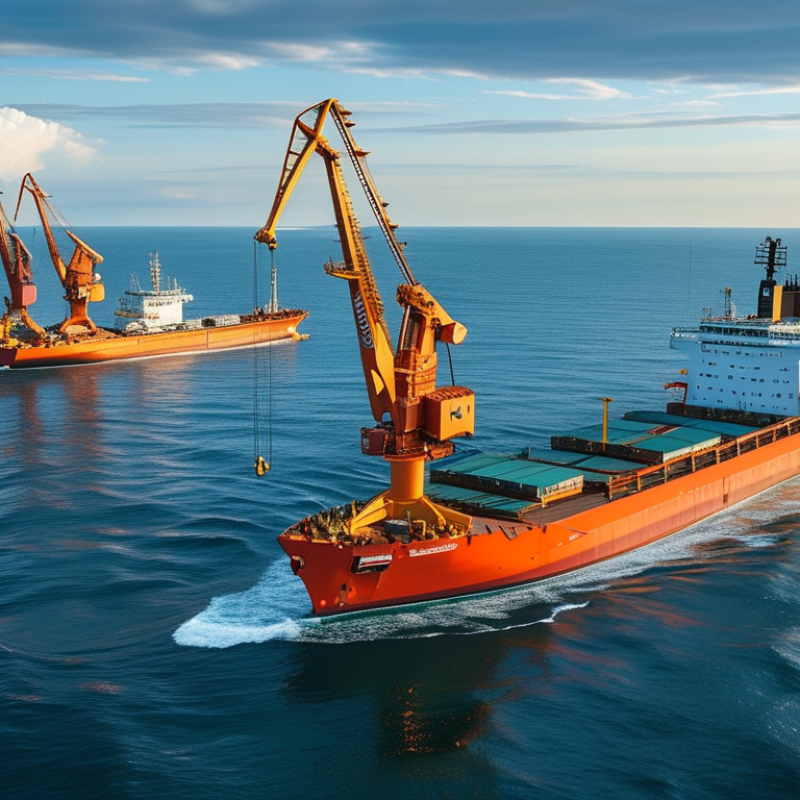
Benefits of Using a Boat Crane in Marine Operations
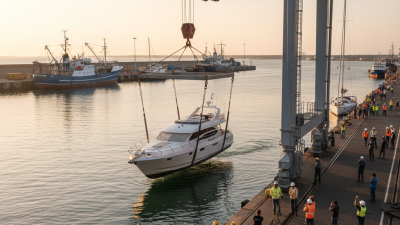
Boat cranes are essential tools in marine operations. They enhance efficiency by streamlining loading and unloading processes. With their robust design, they can safely lift heavy equipment and cargo, minimizing the risk of injuries and accidents. This reliability leads to smoother operations, ultimately saving time and money.
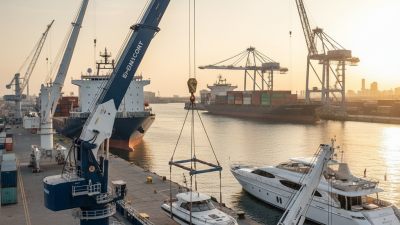
Using a boat crane also provides flexibility. They can be used in various settings, from docks to shipyards. This adaptability allows for effective movement of items, regardless of the environment. When working on a busy dock, a crane can significantly reduce congestion. Proper use can enhance workflow.
**Tip:** Always ensure operators are well-trained. This reduces risks and boosts productivity. Regular maintenance checks are crucial. Cranes must operate smoothly to avoid failures during critical tasks. Having a contingency plan can be valuable too. Unexpected challenges can arise in any operation.
Types of Boat Cranes Suitable for Different Marine Environments
When it comes to marine operations, choosing the right boat crane is crucial. Different types of cranes serve various environments and specific needs. For instance, small harbors often benefit from portable cranes. These cranes are lightweight, easy to move, and can load small boats efficiently. They are ideal for marinas that have limited space for heavy equipment.
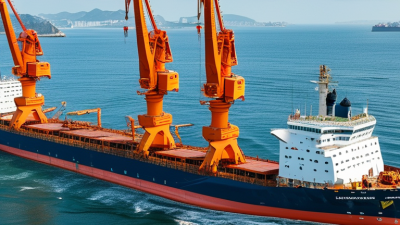
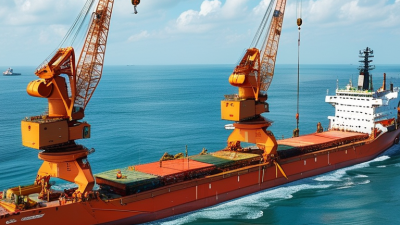
In contrast, larger commercial ports might employ fixed cranes. These cranes are designed for heavy lifting. They handle bigger vessels and more substantial cargo. Their stability allows safe operations even in rough sea conditions. However, they require more space and careful planning for installation.
For specialized environments, such as offshore facilities, telescopic cranes are often used. They offer flexibility and can reach high areas of a boat. Yet, their complexity can lead to occasional mechanical issues. Operators need to be trained to ensure safety. All of these crane types have distinct advantages and drawbacks. Consider your specific marine environment carefully for the best results.
Key Features to Consider When Choosing a Boat Crane
When selecting a boat crane for marine operations, there are several important features to consider. Load capacity is crucial; ensure the crane can handle the weight of your vessels and equipment. The working radius also matters. This determines how far the crane can reach. A larger radius provides more flexibility but may reduce stability. Choose a crane that fits the specific needs of your operations.
Portability can be a game changer. If your operations span different locations, a lightweight crane may be necessary. Consider the materials used in construction as well. Durable materials often indicate a longer lifespan, which is essential for long-term investment. Public safety is not to be overlooked; maintenance records should be kept. While innovative technology is appealing, it often requires thorough training.
Think about the power source too. Hydraulic systems might offer better lifting control, but can be complex to manage. What about weather resistance? Outdoor cranes need proper coatings to withstand harsh conditions. Balancing these elements while maintaining efficiency is key. Each operation may require unique adjustments, and reflection on past experiences can inform better choices in the future.
Why Choose a Boat Crane for Your Marine Operations? - Key Features to Consider When Choosing a Boat Crane
| Feature |
Importance |
Specifications |
Considerations |
| Load Capacity |
Essential for handling different vessel sizes |
Up to 50 tons |
Ensure compatibility with vessels |
| Reach |
Critical for docking and undocking operations |
Up to 15 meters |
Assess marina space |
| Safety Features |
Important for minimizing accidents |
Emergency stop, overload protection |
Check certifications |
| Mobility |
Affects operational flexibility |
Portable design or stationary |
Determine usage patterns |
| Material |
Impacts durability and maintenance |
Corrosion-resistant materials |
Assess environmental conditions |
Safety Considerations for Boat Crane Operations
In the realm of marine operations, safety is paramount.
Boat cranes play a crucial role in ensuring the safe movement of heavy loads. According to the
Occupational Safety and Health Administration (OSHA), about 70% of crane-related accidents occur due to improper operation and safety oversight. Using boat cranes can significantly reduce these incidents when operated properly.
Training is vital. Operators should have comprehensive knowledge of their equipment and its limitations.
A 2022 report by the National Institute for Occupational Safety and Health (NIOSH) states that well-trained crane operators can reduce accidents by up to 50%.
Regular inspections and maintenance of boat cranes are also essential. Neglecting these can lead to mechanical failures, posing risks during critical operations.
Marine operations often involve unpredictable environmental factors. Weather changes can impact the safety of crane operations.
A recent study indicated that nearly 30% of crane accidents are attributed to adverse weather conditions.
Awareness of these factors and adapting operation protocols accordingly can safeguard personnel and equipment.
It's crucial to continuously assess safety measures, even in routine operations, to ensure the highest standards are met.
Cost-Effectiveness of Boat Cranes in Marine Logistics
Boat cranes are a crucial asset in marine logistics, offering significant cost-effectiveness compared to traditional lifting methods. According to industry reports, using a boat crane can reduce operational expenses by up to 30%. These cranes enable faster loading and unloading of cargo, minimizing downtime. This can be essential in meeting tight schedules in competitive marine environments.
A study highlighted that companies employing boat cranes witnessed an increase in productivity by as much as 25%. This is mainly due to their ability to handle diverse cargo shapes and sizes efficiently. Moreover, boat cranes require less maintenance than heavier equipment, leading to lower ongoing costs.
**Tip:** Always assess your specific requirements before choosing a crane. Each operation has unique needs.
Another point to consider is the regulatory aspect of cranes in marine settings. Some operators have reported facing challenges due to compliance issues. Understanding local regulations can be complex but is vital to ensure smooth operations.
**Tip:** Regular training for your crew can improve safety and efficiency. Knowledgeable operators make a significant difference.
Investing in a boat crane can yield substantial returns. With proper management, the benefits often outweigh the initial investment.
Cost-Effectiveness of Boat Cranes in Marine Logistics