How to Choose the Best Wrecking Ball Crane for Your Needs?
Choosing the right Wrecking Ball Crane is crucial for any demolition project. It impacts efficiency, safety, and budget. Many factors come into play when selecting the perfect crane, including the weight of the wrecking ball and site conditions. Each project is unique, so a one-size-fits-all approach may not work.
When considering a Wrecking Ball Crane, think about your specific needs. Experience in the industry suggests that understanding the site layout and material types can guide your choice. Some cranes may excel in tight spaces while others are better for larger sites. Various models offer different weight capacities and reach, which can dramatically influence performance.
Investing time in research is vital. Consulting experts and comparing machines can lead to a sound decision. However, misjudgments can occur. Some users overlook important specifications, leading to project delays. Reflecting on these experiences can provide valuable lessons for future projects. Careful consideration will help ensure you select the best Wrecking Ball Crane for your needs.
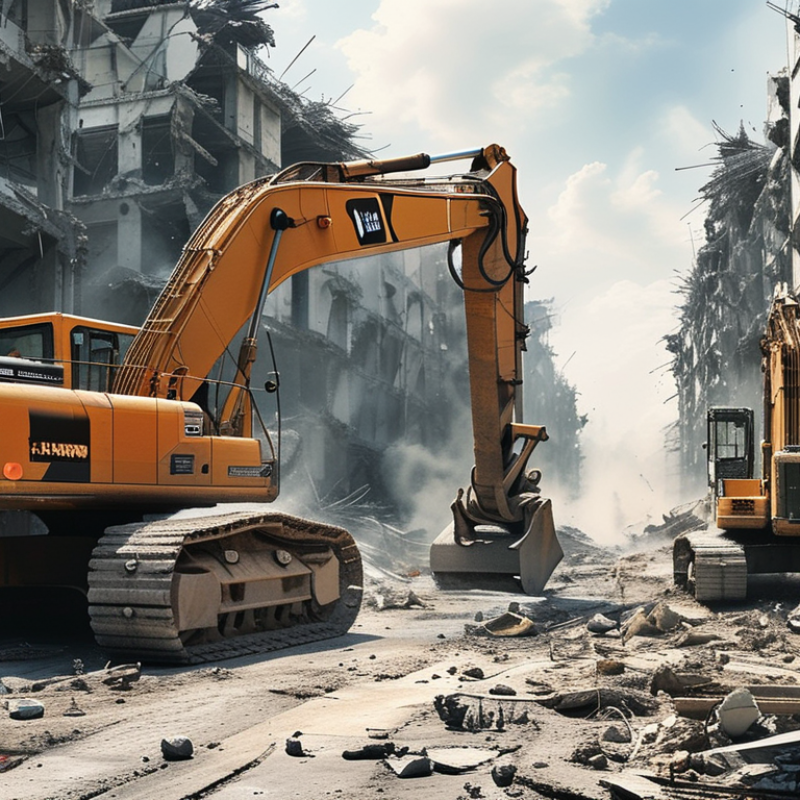
Factors to Consider When Selecting a Wrecking Ball Crane
Choosing the right wrecking ball crane is crucial for any demolition project. Several factors should guide your decision. Consider the weight capacity first. This will determine how effectively the crane can handle the specific structures you plan to demolish. Each project can pose unique challenges, and not all cranes are built to perform the same tasks.
Next, look into the crane's reach and maneuverability. The ability to work in confined spaces is essential. Cranes with better flexibility can navigate challenging sites more easily. Check the overall design and structure of the crane. Its stability will affect safety and efficiency during operation.
Tips: Always assess the crane’s maintenance history. A well-maintained crane reduces downtime and enhances productivity. Also, consult with experienced operators. Their insights can be invaluable for selecting the right equipment. Finally, reflect on your past experiences. Were there any challenges with previous cranes? Learning from these can guide you in making informed decisions.
How to Choose the Best Wrecking Ball Crane for Your Needs?
| Factor |
Description |
Why It Matters |
| Weight Capacity |
The maximum weight the crane can lift, typically measured in tons. |
Ensures that the crane can handle the load required for your demolition project. |
| Reach |
The distance the crane can extend horizontally and vertically. |
Crucial for accessing hard-to-reach areas on demolition sites. |
| Height |
The maximum height the crane can operate at. |
Important for projects involving tall structures or elevated demolition. |
| Mobility |
Includes factors such as whether the crane is stationary or mobile. |
Affects the ease of transport and location flexibility on the job site. |
| Safety Features |
Includes features like alarms, emergency stops, and load limits. |
Critical for protecting operators and site personnel during operation. |
| Versatility |
The ability to attach various tools and accessories. |
Enhances the crane's usefulness across different types of demolition tasks. |
| Cost |
The initial price and potential maintenance costs. |
Budget constraints can greatly influence which crane is chosen. |
Understanding Different Types of Wrecking Ball Cranes and Their Uses
Choosing the right wrecking ball crane requires understanding its various types and their specific uses. Wrecking ball cranes are mainly categorized into fixed, mobile, and tower cranes. Each type serves different demolition needs. A fixed wrecking ball crane is best for stationary demolition tasks. It offers stability and power. Mobile cranes, on the other hand, are ideal for projects that require flexibility. They can navigate various terrains and often have a shorter setup time. Tower cranes provide height advantages, making them suitable for taller structures.
The effectiveness of a wrecking ball crane is often linked to its lifting capacity. According to the International Institute of Crane Safety, cranes can lift from 10 tons to over 100 tons. However, over 60 % of accidents occur due to improper load management. This highlights the importance of understanding your project's specific requirements. Choosing a crane with a lifting capacity that exceeds the anticipated load can mitigate risks. Also, consider the crane's reach and swing radius. These factors can impact safety and efficiency during the demolition process.
In addition to types and capacities, operational training is essential. Operators should be skilled in handling various crane models. A survey from the National Safety Council indicates that 70 % of crane-related accidents stem from operator error. Thus, ensuring operators are experienced is crucial. Ultimately, assessing the right equipment and personnel is key to a successful demolition project.
Assessing Load Capacity Requirements for Wrecking Ball Cranes
Choosing the right wrecking ball crane involves understanding load capacity. This is crucial for the safety and efficiency of demolition tasks. Load capacity determines how much weight a crane can lift safely. Failure to assess this can lead to equipment failure or accidents.
Industry studies show that cranes designed for wrecking must handle varied loads. A standard wrecking ball can weigh between 2,000 to 30,000 pounds. The crane should be rated to safely lift at least 1.5 times the expected weight. This safety margin helps account for unforeseen factors, like shifting loads. Many operators underestimate the importance of this calculation, leading to risky situations.
Additionally, the crane's reach matters. A crane with limited reach may not effectively lift and position debris. This results in delays and increased costs. Monitoring load dynamics during operation is also vital. Experienced operators often recommend regular training and load testing. Addressing potential issues early can greatly enhance safety protocols. These insights are supported by guidelines from industry safety boards. Understanding these factors ensures a more informed decision-making process.
Wrecking Ball Crane Load Capacity Requirements
Evaluating Safety Features and Compliance Standards in Cranes
When choosing a wrecking ball crane, safety features and compliance standards are paramount. According to the National Safety Council, over 40% of crane-related fatalities occur due to inadequate safety protocols. Therefore, understanding safety compliance is crucial for operators and employers alike. Cranes should meet standards set by organizations such as OSHA and ANSI. Compliance reduces risks and enhances operational safety.
Evaluate safety features, such as overload protection systems and emergency stop functions. These features can prevent catastrophic failures and ensure a safer work environment. Reports from the Crane Safety Association indicate that cranes with advanced safety mechanisms reduce accident rates by 25%. Regular inspections and maintenance are essential as well. They ensure that safety features function correctly over time.
Consider operator training as an integral part of safety compliance. A well-trained operator is less likely to overlook safety protocols. Inadequate training can lead to tragic errors. Investing in comprehensive training programs can significantly mitigate risks associated with crane operations. Data shows that companies prioritizing training see a 30% decrease in accidents. Safety should always be the foundation in crane operations.
Cost Analysis: Budgeting for Your Wrecking Ball Crane Purchase
When budgeting for a wrecking ball crane purchase, understanding the costs involved is essential. A typical wrecking ball crane can range from $100,000 to $500,000. This wide range is due to various factors, including the crane's capacity and features. According to industry reports by the American Crane and Transport Association, maintenance costs also constitute an essential part of the total expenditure, often adding an extra 15% annually.
It's crucial to factor in operating costs. Training for operators is necessary and can cost anywhere from $1,500 to $5,000 per person. Additionally, insurance and compliance fees can significantly impact the total budget. Many companies overlook these hidden costs, which can lead to financial strain. Research suggests that factoring in a contingency budget of around 10% is wise.
Evaluating whether to buy or lease a crane is another critical decision. Leasing often requires lower upfront costs, but long-term ownership might yield better value. Each option has its pros and cons. This decision impacts overall financial planning. Engaging with industry professionals can provide insights into the best approach for each unique situation.