How to Choose the Right Marine Crane for Your Business?
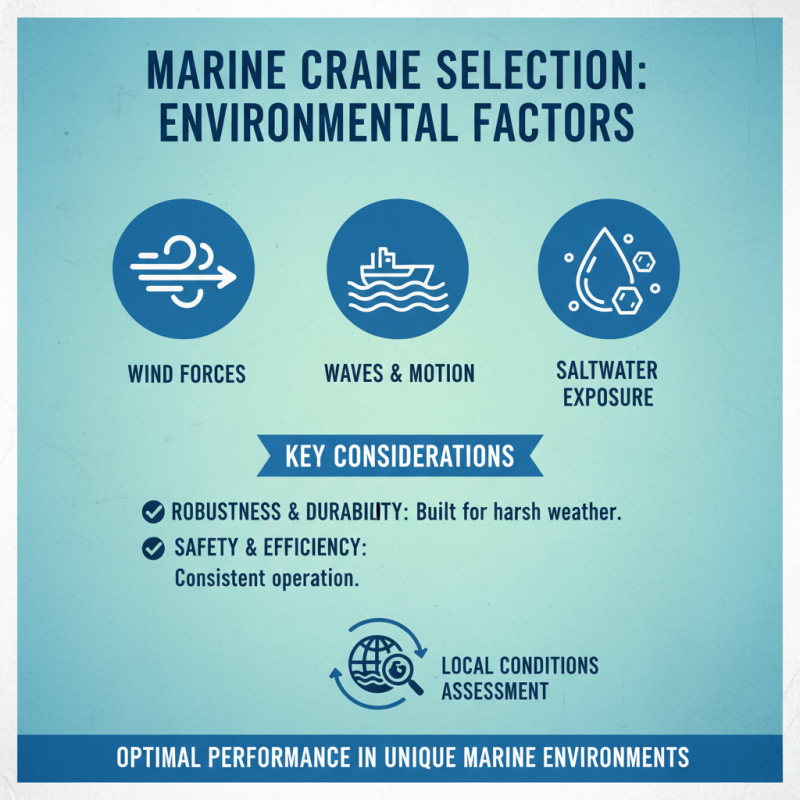
Choosing the right Marine Crane is a critical decision for many businesses in the maritime industry. According to John Stevens, a renowned expert in marine equipment, “The right crane can optimize operations and enhance safety.” Selecting a Marine Crane involves understanding specific needs, capacity requirements, and environment factors.
Every marine operation has unique demands. For instance, lifting heights, load weights, and environmental conditions can greatly impact crane performance. A Marine Crane that excels in one scenario may fall short in another. It's essential to reflect on these variables before making a purchase.
Furthermore, businesses often overlook the importance of maintenance and operator training. A well-chosen Marine Crane requires proper care and skilled operation to ensure efficiency. Ignoring these aspects can lead to regrets. Investing time in evaluating your needs will pay off in the long run. Emphasizing the right fit for your operations can ultimately lead to improved productivity and safety.
Understanding the Types of Marine Cranes Available in the Market
When selecting a marine crane for your business, it's essential to understand the types available. Marine cranes come in various forms, such as knuckle boom, telescopic, and ship-mounted. Each type has unique features and capabilities suited to different applications. For instance, a knuckle boom crane is known for its versatility and reach. It can be used in confined spaces, making it a popular choice in many settings.
Telescopic cranes, in contrast, have extending arms that provide significant lifting height and reach. They're particularly useful for loading containers on large vessels. However, they may require more maintenance and attention. Additionally, the ship-mounted crane is designed to be more stable at sea. Stability is a key factor when working on moving vessels.
Consider your specific operational needs and the environment in which you will use the crane. Assessing weight capacity, reach, and maneuverability is crucial. Not all cranes are suited for every task. Some may lack the necessary features for rough marine conditions. Understanding these options helps ensure you make a better-informed decision for your business.
Types of Marine Cranes and Their Capacity
This chart illustrates the maximum lifting capacity of different types of marine cranes available in the market. Understanding these capacities can help businesses select the right crane based on their operational needs.
Assessing Your Business Needs for Marine Crane Applications
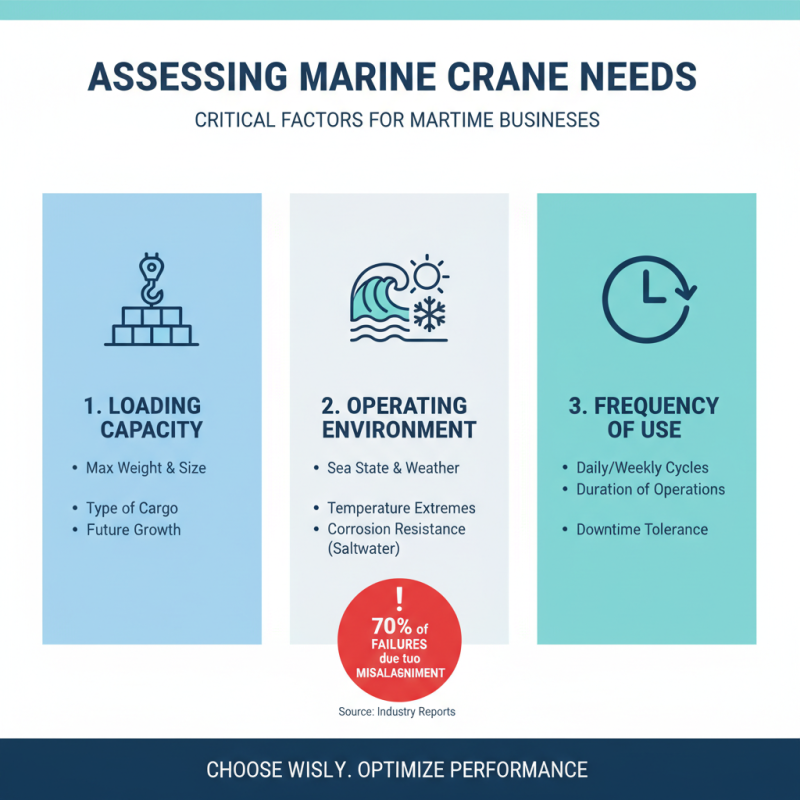
Choosing the right marine crane is a critical decision for businesses involved in maritime operations. It's essential to understand your specific needs to make an informed choice. According to recent industry reports, over 70% of marine crane failures occur due to misalignment with operational demands. Assessing your business's loading capacity, operating environment, and frequency of use is crucial in determining the appropriate crane type.
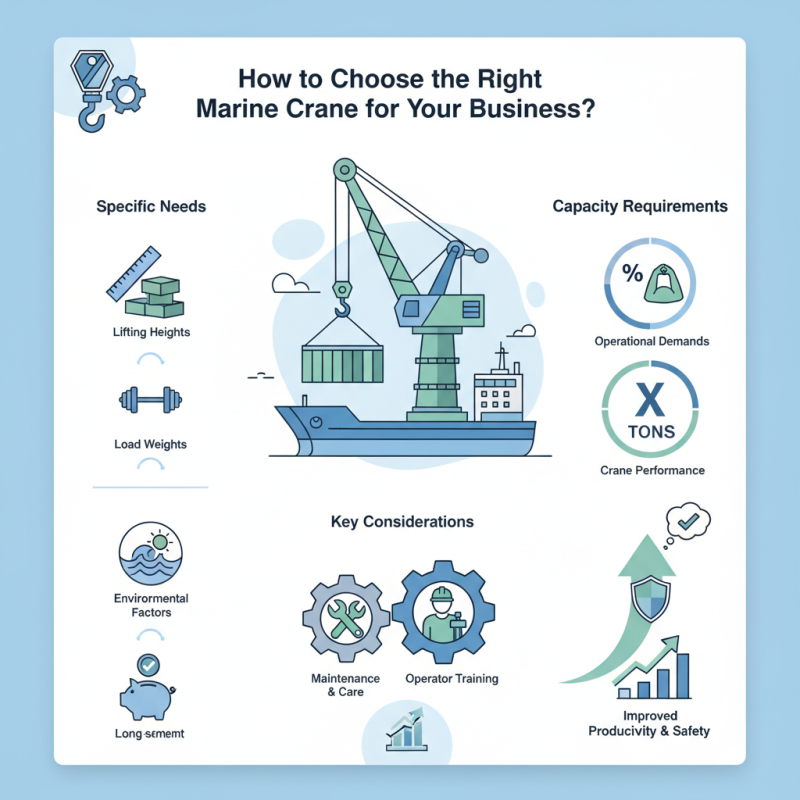
Consider the various marine environments your business operates in. Marine cranes must withstand harsh elements such as saltwater and extreme weather. For instance, cranes used in offshore drilling rigs require robust features for stability and strength. Additionally, businesses should evaluate operational requirements, such as load size and height. A report from the International Maritime Organization (IMO) indicates that cranes should ideally have a load capacity of 20% more than what is regularly handled to ensure safety and efficiency.
While investing in high-capacity cranes may seem like a good strategy, it can lead to overcapacity issues. This could increase operational costs unnecessarily. Businesses should regularly revisit their operational data. Assessing past performance and future projections can help identify if current crane functionalities align with business growth. An adaptable approach to choosing cranes is often more beneficial and cost-effective.
Evaluating Load Capacity and Reach Requirements for Marine Cranes
When selecting a marine crane, evaluating load capacity and reach is crucial. Load capacity refers to the maximum weight a crane can lift. It's vital to match this with your project's requirements. For instance, if your operation involves lifting containers on a cargo ship, the crane should support the weight of those loads, often exceeding 150 tons. Reports indicate that over 40% of marine crane failures stem from inadequate load capacity assessments. This highlights the importance of accurate calculations.
Reach is equally essential in determining crane suitability. A crane's reach affects its ability to service various marine vessels. Reach specifications can vary greatly, with some cranes extending up to 60 meters. Not accounting for this can lead to operational inefficiencies. Additionally, the **International Maritime Organization (IMO)** has stated that cranes must be able to operate within specific environmental conditions. Extreme weather can significantly impact crane performance.
Choosing the right crane isn't just a matter of specifications. Sometimes, a higher capacity crane can lead to increased operational costs. It's essential to balance the capabilities with your budget. Operators must also consider maintenance requirements and the crane's lifespan. A higher load capacity might require more frequent inspections. Understanding these aspects can lead to a more informed choice, enhancing overall operational effectiveness.
How to Choose the Right Marine Crane for Your Business? - Evaluating Load Capacity and Reach Requirements for Marine Cranes
| Crane Type |
Max Load Capacity (tons) |
Max Reach (meters) |
Operational Environment |
Typical Applications |
| Telescopic Crane |
20 |
30 |
Harbors, Offshore |
Container Handling, Loading/Unloading |
| Knuckle Boom Crane |
15 |
25 |
Inland Waterways, Port Areas |
Tugboat Operations, Maintenance Work |
| Rough Terrain Crane |
25 |
20 |
Coastal Areas, Industrial Sites |
Construction, Heavy Lifting |
| Floating Crane |
50 |
40 |
Deep Water, Open Seas |
Marine Construction, Salvage Operations |
| Lattice Boom Crane |
30 |
35 |
Offshore Platforms, Shipyards |
Heavy Equipment Installation, Shipbuilding |
Budgeting and Cost Factors for Marine Crane Acquisition and Maintenance
When considering marine cranes for your business, budgeting is crucial. Start by identifying the specific needs of your operations. Assess lifting capacity, reach, and type of environment. These factors influence the crane's price significantly. Remember, a higher capacity crane often comes with a hefty price tag. Similarly, a crane designed for harsh conditions may also require a larger budget.
Maintenance costs should not be overlooked. Regular inspections and servicing are essential for safety and longevity. Allocate funds for unexpected repairs as well. It’s wise to set aside about 10-15% of the initial purchase cost annually for maintenance. This can fluctuate based on usage and environment, so flexibility in your budget is key. Keep in mind that cheaper options might lead to higher maintenance costs down the road.
Consider also the financing options available. Leasing may offer lower upfront costs but can be more expensive long-term. Owning a crane involves additional costs, such as storage and insurance. Thoroughly research potential expenses to avoid financial strain. Every decision impacts your budget and operational efficiency. Strive for clarity about your financial limits while exploring the best marine crane options.