How to Choose the Right Slewing Crane for Your Projects?
Choosing the right slewing crane for your projects is crucial. The construction industry often relies on precise specifications and informed choices. According to a recent industry report by Global Market Insights, the slewing crane market is projected to reach $5 billion by 2026. This underscores the increasing demand for efficient lifting solutions.
Renowned expert Dr. James H. Russell notes, "Selecting the appropriate slewing crane can optimize project efficiency and safety." His insights highlight the complexities involved in crane selection. Each project has unique requirements, making the choice of slewing crane critical. Factors such as load capacity, working radius, and application type must be considered.
It's not just about choosing the most powerful machine; balancing capabilities with specific project needs is essential. The wrong selection can lead to inefficiencies and increased costs. Therefore, project managers should reflect carefully on their choices and seek expert guidance when necessary. Understanding the intricacies of slewing cranes can make a significant difference in project outcomes.
Understanding Different Types of Slewing Cranes and Their Applications
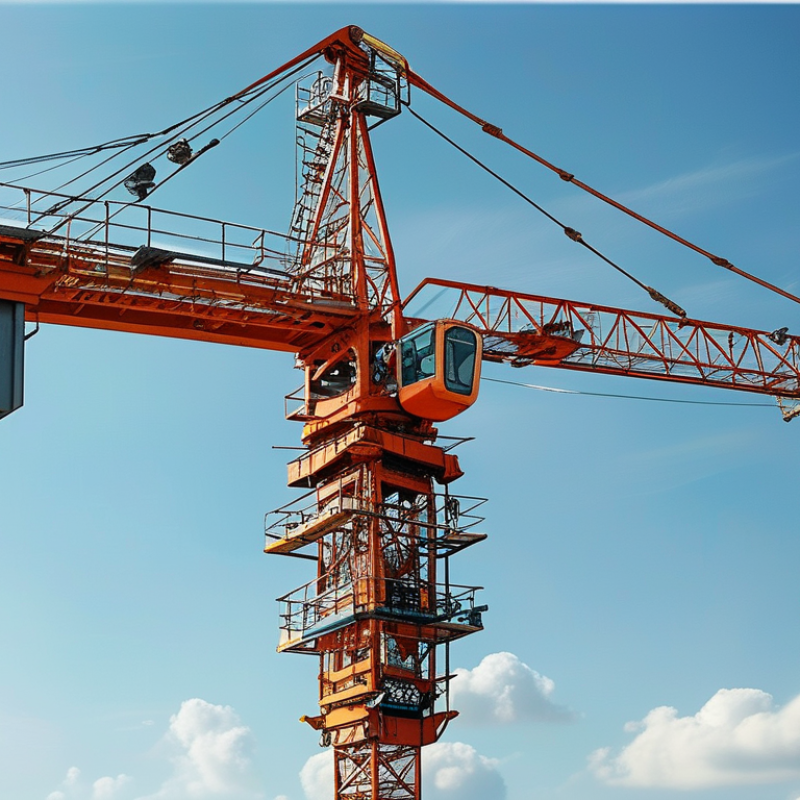
Slewing cranes are vital in construction and heavy lifting applications. Understanding their types is essential for making informed choices. Different cranes serve varied purposes. For example, tower cranes excel in urban construction. Their height and reach make them ideal for high-rise buildings. When safety is a priority, these cranes often provide stability.
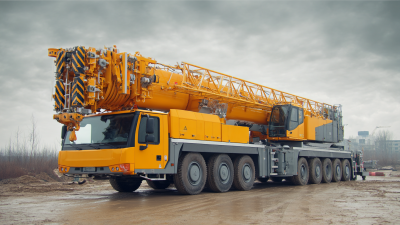
Another common type is the mobile slewing crane. These cranes are versatile and can be relocated easily. They are suitable for projects requiring flexibility, like infrastructure work in multiple locations. On the other hand, crawler cranes offer exceptional ground stability. They use tracks instead of tires, making them ideal for weaker soils.
Factors such as load capacity and operational environment must also be considered. Some cranes perform poorly on uneven surfaces. Weight distribution affects safety and efficiency. Often, project managers underestimate the importance of selecting the right crane. This can lead to project delays or even accidents. Knowing the strengths and weaknesses of each type can mitigate these risks.
Evaluating Load Capacity and Working Radius for Project Requirements
Choosing the right slewing crane for your project relies heavily on evaluating the load capacity and working radius. The load capacity reflects how much weight the crane can safely lift. For example, cranes with a capacity between 10 to 200 tons dominate the market, catering to diverse construction needs. According to industry reports, selecting a crane with inadequate load capacity can lead to operational failures. Each project requires a thorough assessment of the maximum load to be lifted, ensuring safety and efficiency during operations.
The working radius determines how far the crane can reach from its pivot point. A larger radius, often exceeding 50 meters, can be advantageous for large projects, such as bridge construction. However, this comes with its own set of challenges. Inadequate workspace can restrict movement, ultimately affecting productivity. Understanding the average working radius required for specific tasks is crucial. Reports indicate that operators often underestimate this factor, leading to delays and increased costs. It’s essential to assess project layouts meticulously and adjust crane specifications accordingly.
How to Choose the Right Slewing Crane for Your Projects?
| Crane Model |
Load Capacity (tons) |
Working Radius (m) |
Height Under Hook (m) |
Power Source |
| Model A |
5 |
20 |
10 |
Electric |
| Model B |
10 |
25 |
12 |
Diesel |
| Model C |
15 |
30 |
14 |
Hybrid |
| Model D |
20 |
35 |
16 |
Electric |
| Model E |
25 |
40 |
18 |
Diesel |
Importance of Safety Standards and Certifications in Slewing Crane Selection
Selecting the right slewing crane for any project hinges significantly on safety standards and certifications. These elements serve as a foundation for the reliability and performance of the equipment. Safety certifications ensure that the crane meets industry regulations. They reduce the risk of accidents on-site, protecting both workers and investments.
When evaluating a crane, always check for recognized safety certifications. This documentation verifies that the equipment has undergone rigorous testing. It is crucial for maintaining safe operations, especially in heavy-duty settings. Workers' lives depend on the integrity of the equipment they use every day.
Tips: Look for cranes with up-to-date certifications. This reflects their adherence to the latest safety practices. Don't overlook the manufacturer's background. A strong reputation often signals reliability in both equipment and safety protocols. Prioritize cranes that have been tested for conditions similar to those of your project.
Assessing Mobility and Stability for Various Job Site Conditions
When selecting a slewing crane for various projects, mobility and stability are crucial factors. Job site conditions differ widely, affecting crane performance. For instance, reports indicate that cranes on unstable terrain may experience up to a 30% reduction in stability, posing safety risks. A thorough assessment of the ground conditions is vital before making a decision.
Mobility often depends on the crane's design. For sites with limited access or confined spaces, compact cranes excel. However, large cranes excel in reach and lifting capacity. The choice sometimes comes down to a trade-off between capacity and accessibility. A recent study pointed out that nearly 45% of construction delays are due to mobility issues with cranes on job sites. This statistic stresses the need for careful planning.
Taking the time to analyze specific site conditions is essential. Uneven surfaces can lead to increased wear and stress on the crane's components. Additionally, factors like wind speed can affect stability. A recent safety report highlighted that 20% of crane accidents are attributed to inadequate site evaluations. This underlines the importance of understanding both mobility and stability when choosing a slewing crane.
Comparison of Slewing Crane Mobility and Stability
Cost Analysis: Purchase, Operation, and Maintenance of Slewing Cranes
When selecting a slewing crane, understanding the cost implications is crucial. The initial purchase price can vary widely, typically ranging from $10,000 to $100,000 depending on capacity and features. However, this is just the beginning. Ongoing operational costs can escalate quickly. A recent industry report indicates that operational expenses can be as high as 40% of the total cost of ownership over five years.
Maintenance plays a significant role in the overall cost analysis. Regular maintenance typically costs about 5-10% of the crane's purchase price annually. Delaying maintenance can lead to unexpected breakdowns, potentially costing thousands in repairs. Many operators underestimate these expenses, sometimes leading to budget overruns. Investing in a reliable maintenance plan is vital for reducing long-term costs.
Additionally, training operators adds another layer of expense. Industry standards suggest that quality training can reduce accidents and prolong equipment life. Poorly trained operators can inadvertently increase costs through misuse. Despite the high upfront costs of training, this expense pays off in the long run by enhancing safety and efficiency. Evaluating these factors is essential for a well-rounded cost analysis when choosing the right slewing crane for your projects.