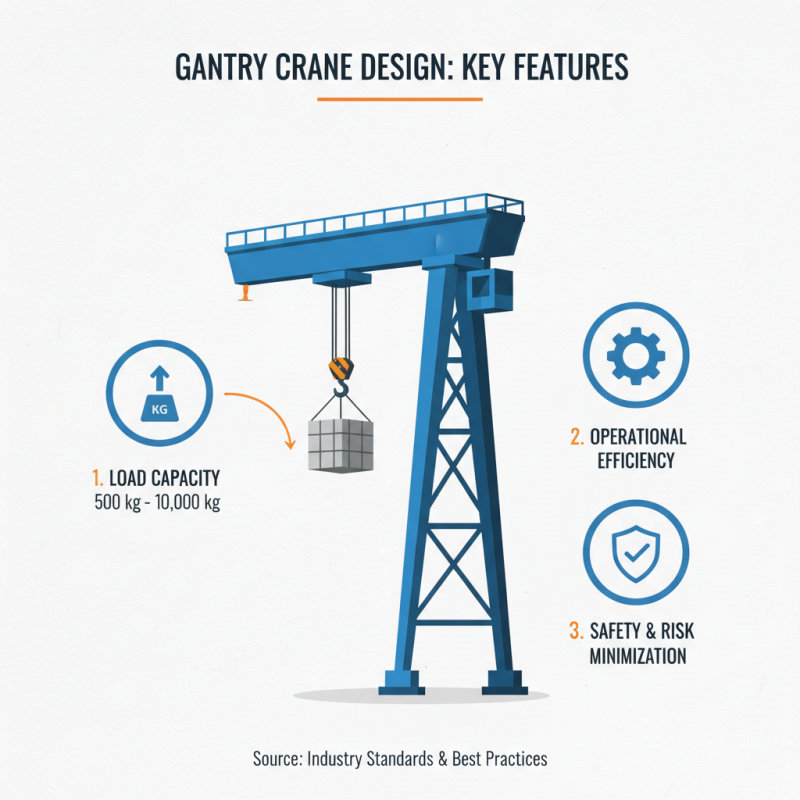
Top Tips for Choosing a Cantilever Gantry Crane Today?
Choosing the right Cantilever Gantry Crane is essential for efficient operations in various industries. According to a report by Grand View Research, the global crane market size is projected to reach USD 50.5 billion by 2025. This growing demand reflects the importance of selecting high-quality equipment that meets specific operational needs.
The Cantilever Gantry Crane offers unique advantages, especially in outdoor settings. It is portable, versatile, and can handle heavy loads with ease. However, not all models are created equal. Factors such as load capacity, span length, and power source must be carefully considered.
Industry experts emphasize the need for thorough research before making a purchase. Potential users should assess their project requirements and review crane reviews for insights and performance metrics. A poorly chosen crane can lead to inefficiencies and safety risks. Thus, understanding the specifications and operational context is crucial for making an informed decision.
Understanding the Basics of Cantilever Gantry Cranes
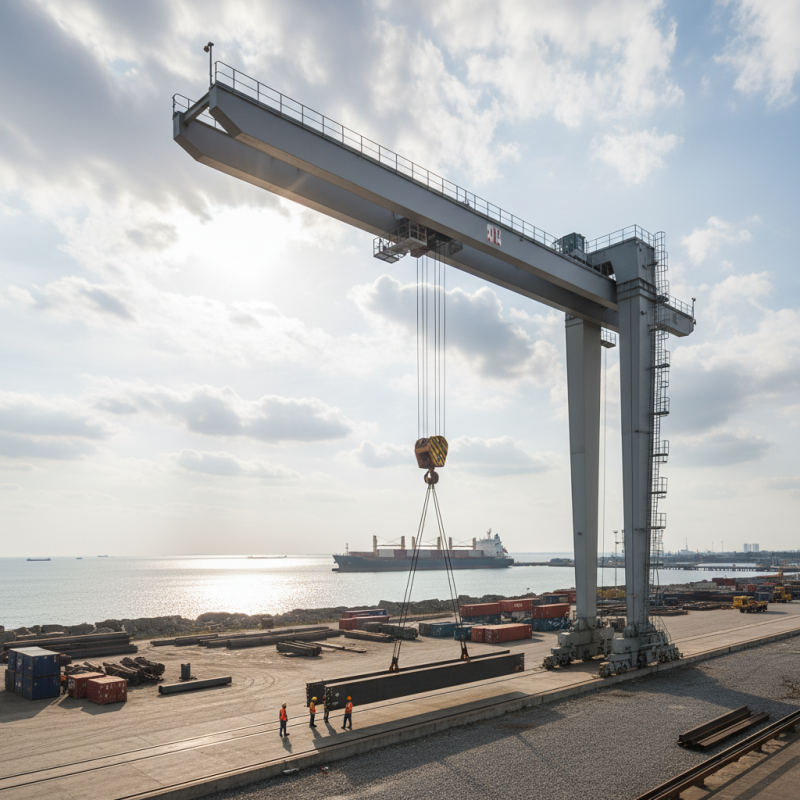
Cantilever gantry cranes are essential in various industries. They provide flexibility and efficiency in lifting operations. Understanding the basics of these cranes helps in making informed decisions.
A cantilever gantry crane consists of a beam supported by legs, allowing it to move easily across a workspace. The cantilever design permits operations near buildings or structures, which is beneficial in tight spaces. The crane's ability to lift heavy loads while maintaining stability is crucial in manufacturing and construction.
When selecting a cantilever gantry crane, consider weight capacity and height requirements. Ensure the crane meets the specific needs of your project. Inspect the track or surface on which the crane will operate. A well-designed layout reduces risks. However, even the best plans may face challenges, like unforeseen obstacles or limited space. Regular maintenance is also essential to keep the crane functioning optimally.
Evaluating Operational Requirements for Your Crane Selection
When selecting a cantilever gantry crane, evaluating
operational requirements
is crucial. Each project has distinct needs that determine the crane’s specifications.
According to recent industry reports, improper crane selection can lead to
reduced efficiency
and safety hazards. Ensuring the crane accommodates your workflow is essential.
Consider load capacity. Many operations,
like manufacturing, require cranes with specific weight limits. A wrong choice can lead
to accidents or overloads. Analyze your heaviest load and select a crane that exceeds
this weight by at least 20%. This buffer enhances
safety and performance.
Height and span are also critical factors. The crane must reach the necessary lifting heights
without obstructing other operations. Measure the workspace and consider any potential
height constraints. Overlooking these dimensions can result in operational
bottlenecks. Always visualize the crane's
movement path to avoid conflicts.
Choosing the right cantilever gantry crane is complex. Balancing factors like load capacity
and height will pay off. Consult industry reports for insights on
operational standards and configurations.
Incorporating these tips into your evaluation process can lead to better decision-making
and enhanced results.
Assessing Safety Standards and Compliance for Gantry Cranes
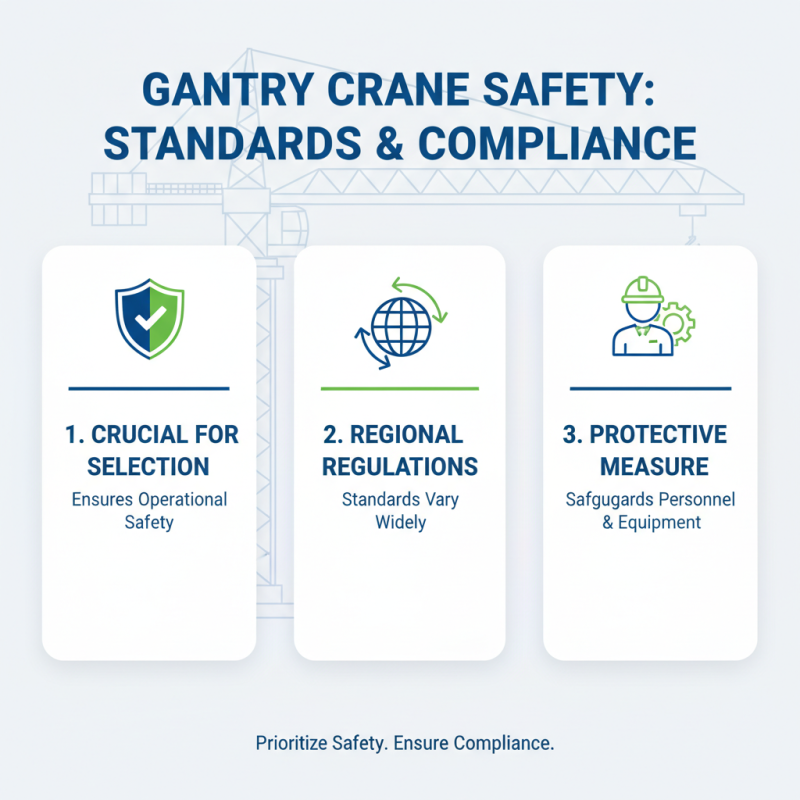
When selecting a cantilever gantry crane, safety standards and compliance are crucial. Understanding these standards ensures the safety of your operation. Always review regulations specific to your region, as they can vary widely. Compliance is not only about functionality but also about protecting your workforce and equipment.
Here are some tips to keep in mind: Verify that the crane meets national and local safety standards. This includes checking for load ratings and stability requirements. Inspect the certificate of compliance. Regular inspections and maintenance records should be available, showcasing the crane’s operational health.
Another aspect is training. Proper training for operators can prevent accidents. Consider providing ongoing training to reinforce best practices. Investing in safety will ultimately yield benefits in productivity and team morale. Remember, a crane's safety features must be your priority. Prioritize reliability and performance, but do not overlook compliance.
Budgeting for Purchase and Maintenance of Gantry Cranes
When budgeting for the purchase and maintenance of gantry cranes, it's essential to assess various factors. A recent industry report indicates that the average initial cost of a cantilever gantry crane can range from $20,000 to $50,000. This wide range depends on load capacity, materials, and design features. Higher capacities can significantly push the cost up. Understand why affordability must not compromise quality.
Ongoing maintenance can add to your budget too. Research shows operational costs, including maintenance, can amount to 10-15% of the purchase price annually. Regular inspections, parts replacements, and routine servicing are necessary. Failing to budget for these can lead to unexpected breakdowns. These incidents not only increase costs but may also halt operations.
Consider not just the financial aspects but how these cranes fit into your workflow. Overestimating capacity needs can waste resources, while underestimating can lead to poor performance. Budgeting effectively requires continuous analysis and reflection on both operational needs and financial constraints.
Top Tips for Choosing a Cantilever Gantry Crane Today? - Budgeting for Purchase and Maintenance of Gantry Cranes
| Dimension |
Cost Estimate (USD) |
Maintenance Frequency |
Lifting Capacity (ton) |
Typical Usage |
| Height (m) |
5,000 |
Annual |
10 |
Construction Sites |
| Span (m) |
8,000 |
Bi-Annual |
15 |
Manufacturing |
| Width (m) |
3,000 |
Monthly |
5 |
Warehouse Operations |
| Overhead Clearance (m) |
2,000 |
Quarterly |
8 |
Shipping and Logistics |
| Total Weight (kg) |
1,500 |
Annual |
10 |
Heavy Lifting |